The Spiral Museum

Idea projektu
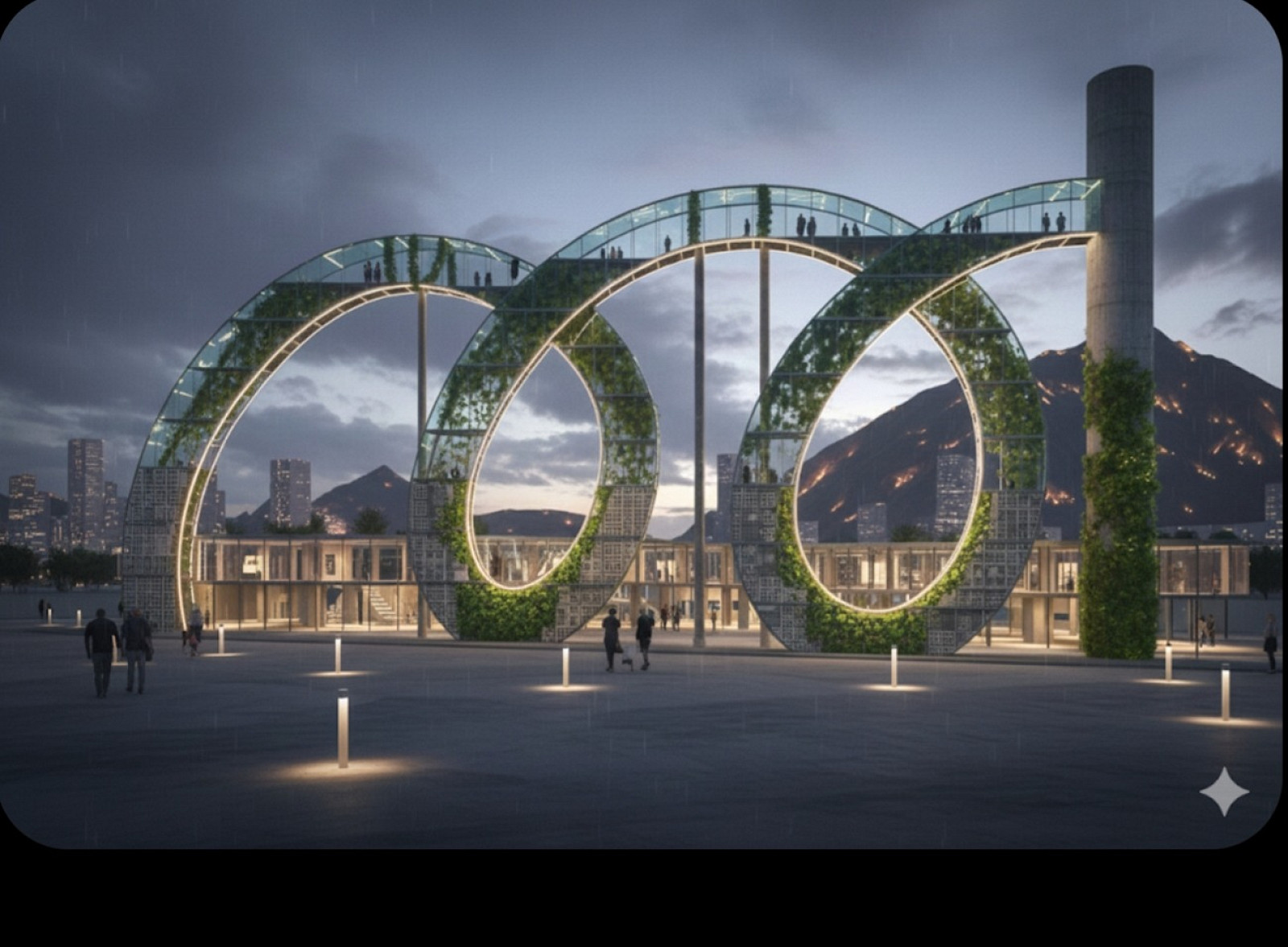
This museum is a spiral knowledge path connecting the city to nature.
It responds to climate, using light and energy as exhibition tools,
where artifacts are not only displayed, but architecture itself becomes a permanent exhibition.
Popis projektu
The project is presented as a contemporary architectural museum structured around an ascending spiral path, where movement becomes part of the narrative of knowledge. The building responds to climate as a living system—capturing light, directing wind, and transforming natural energy into a core component of the spatial experience. Rather than functioning solely as a container for exhibitions, the museum operates as an integrated environment where knowledge merges with sensory perception, redefining the visitor’s relationship with the exhibits, the place, and the surrounding landscape. It stands as a cultural landmark where architecture mediates between humanity, environment, and city.
Technické informace
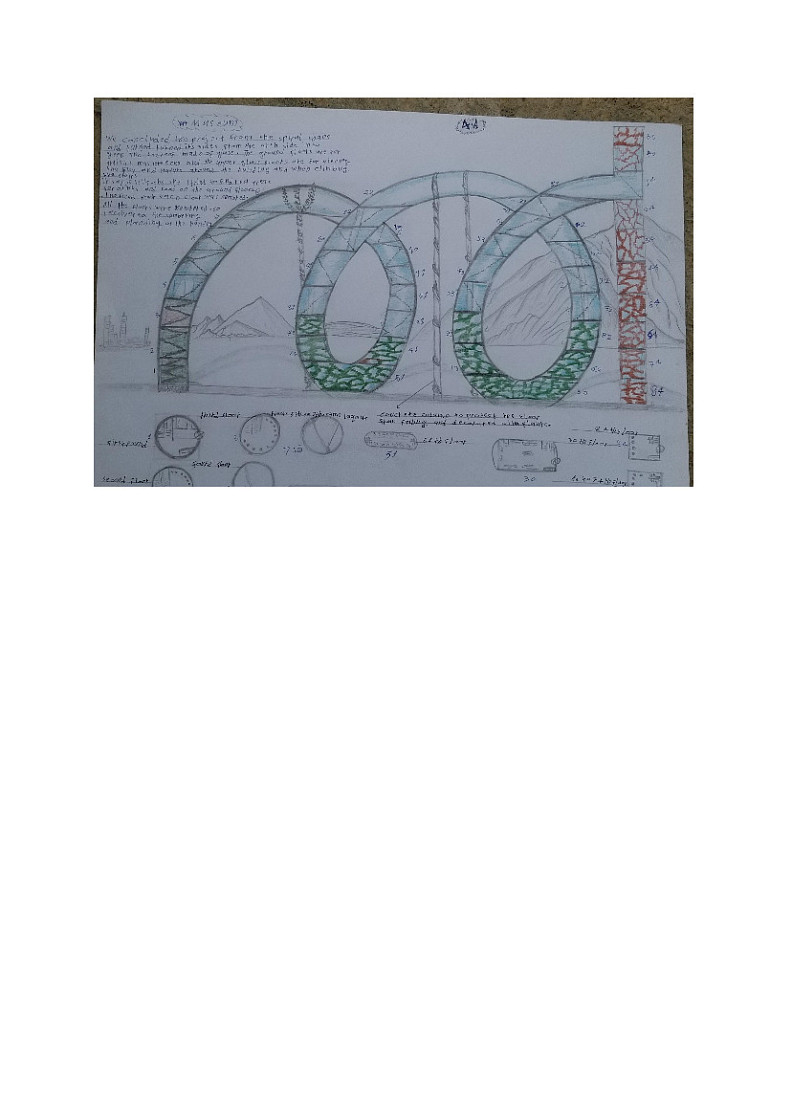
A spiral museum composed of a reinforced concrete core with an ascending exhibition path.
Upper glass façades for daylight and views, solid stone bases for stability.
Concrete and glass floors, spiral stairs, and vertical elevators.
The building relies on natural light, ventilation, and climate-responsive design.
Dokumentace

Copyright © 2026 INSPIRELI | All rights reserved. Use of this website signifies your agreement to the Terms of Use, Privacy Policy, and use of cookies.