Games2Egypt | Administrative office


Project idea
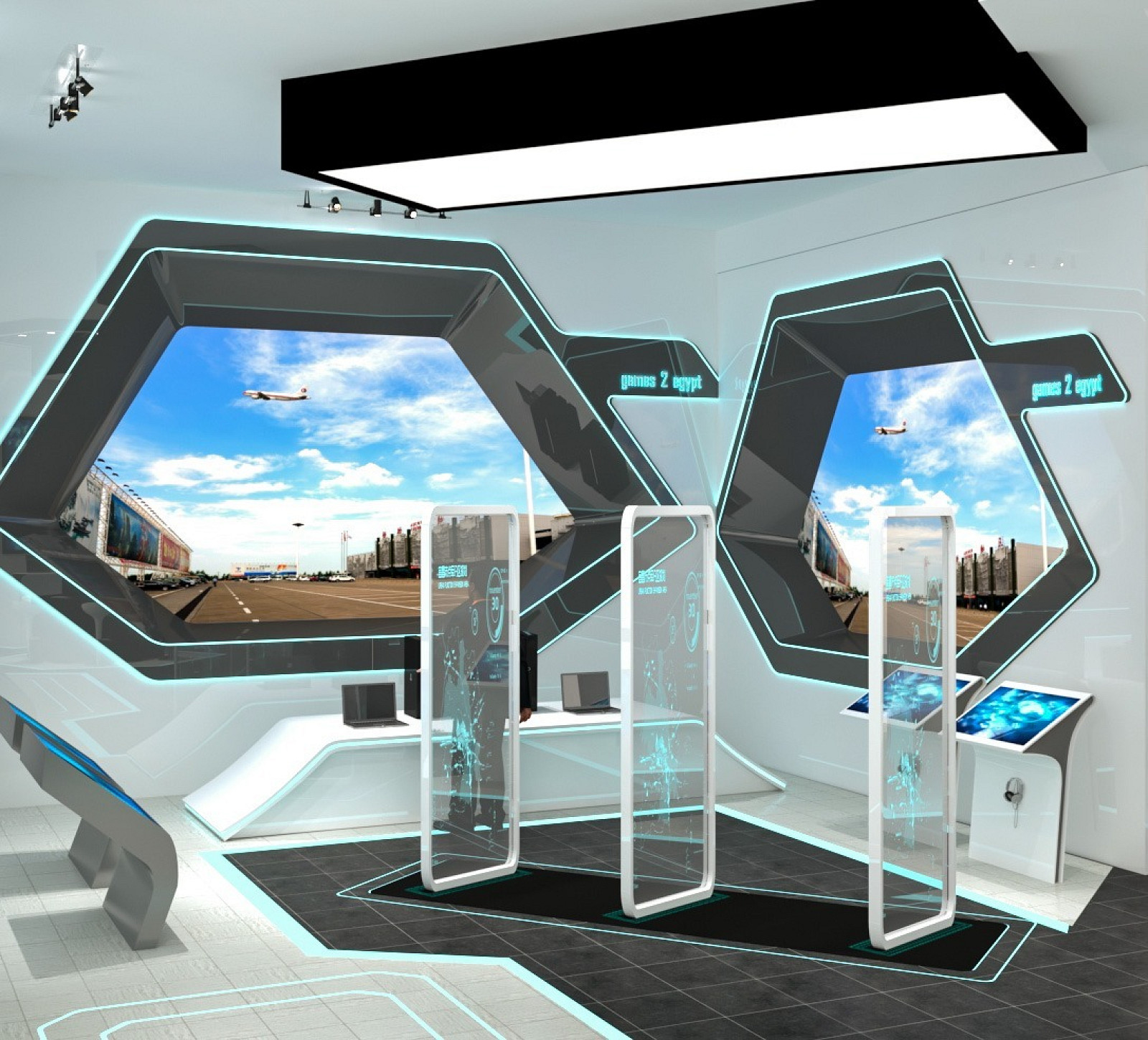
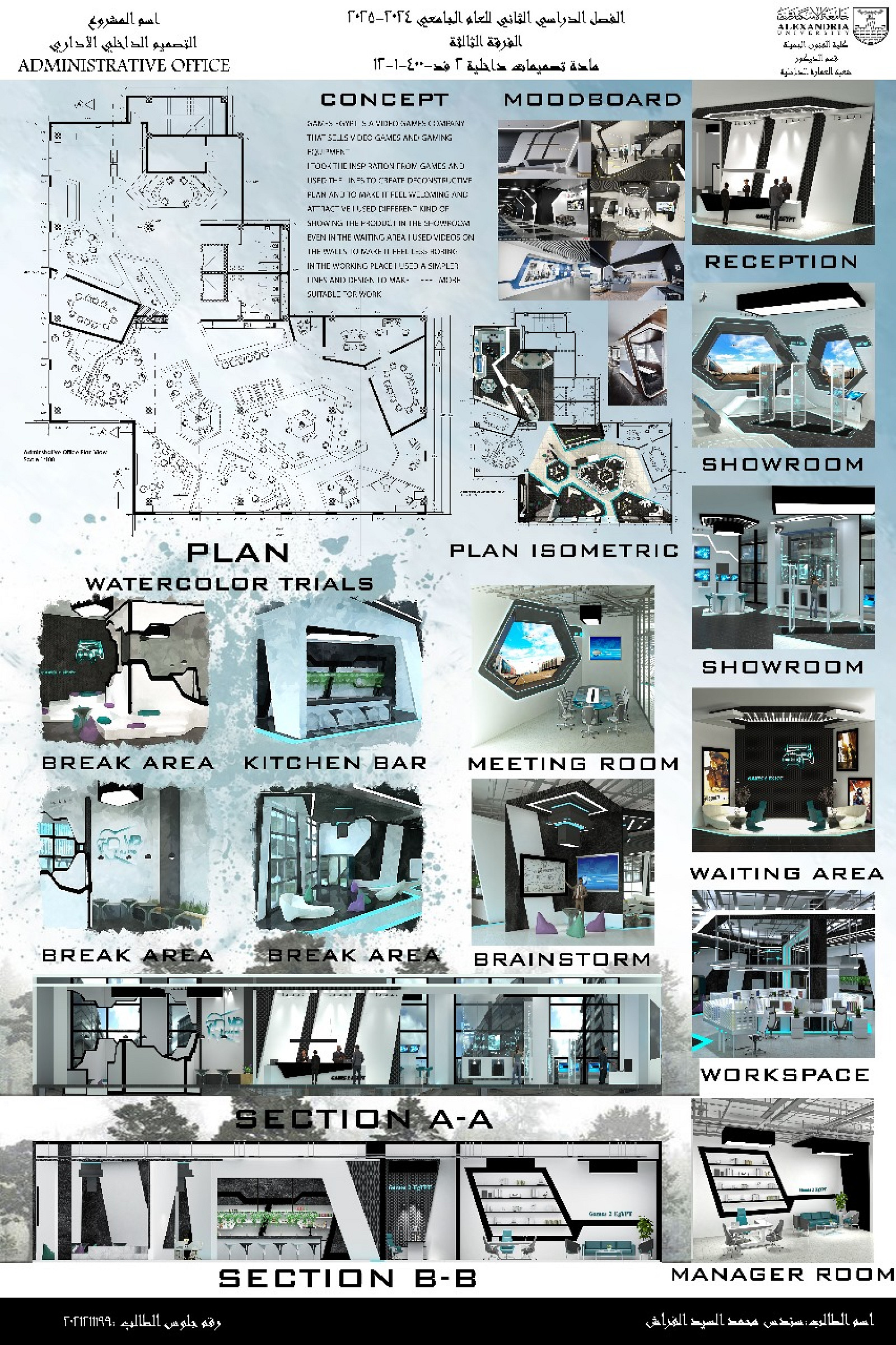
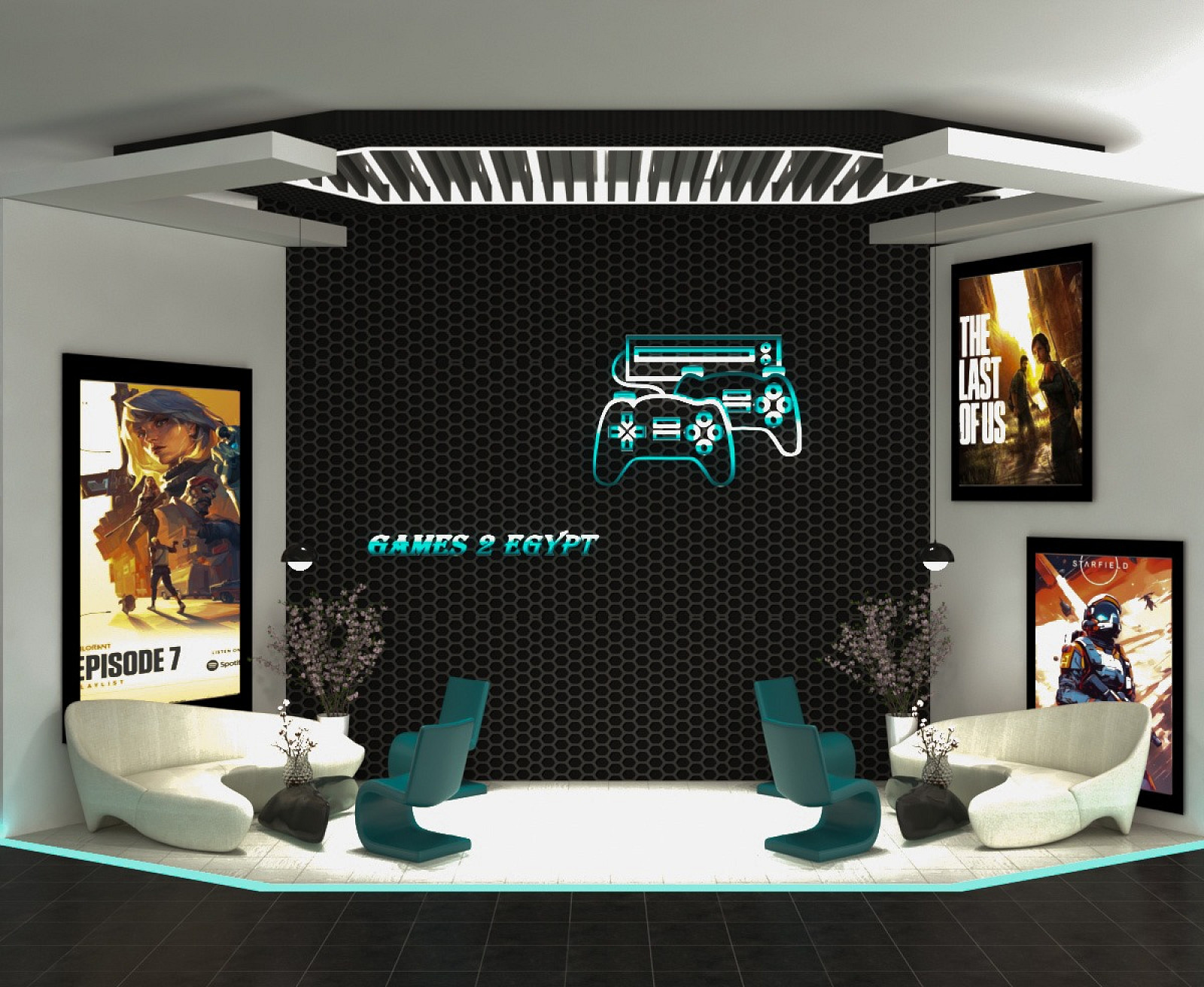
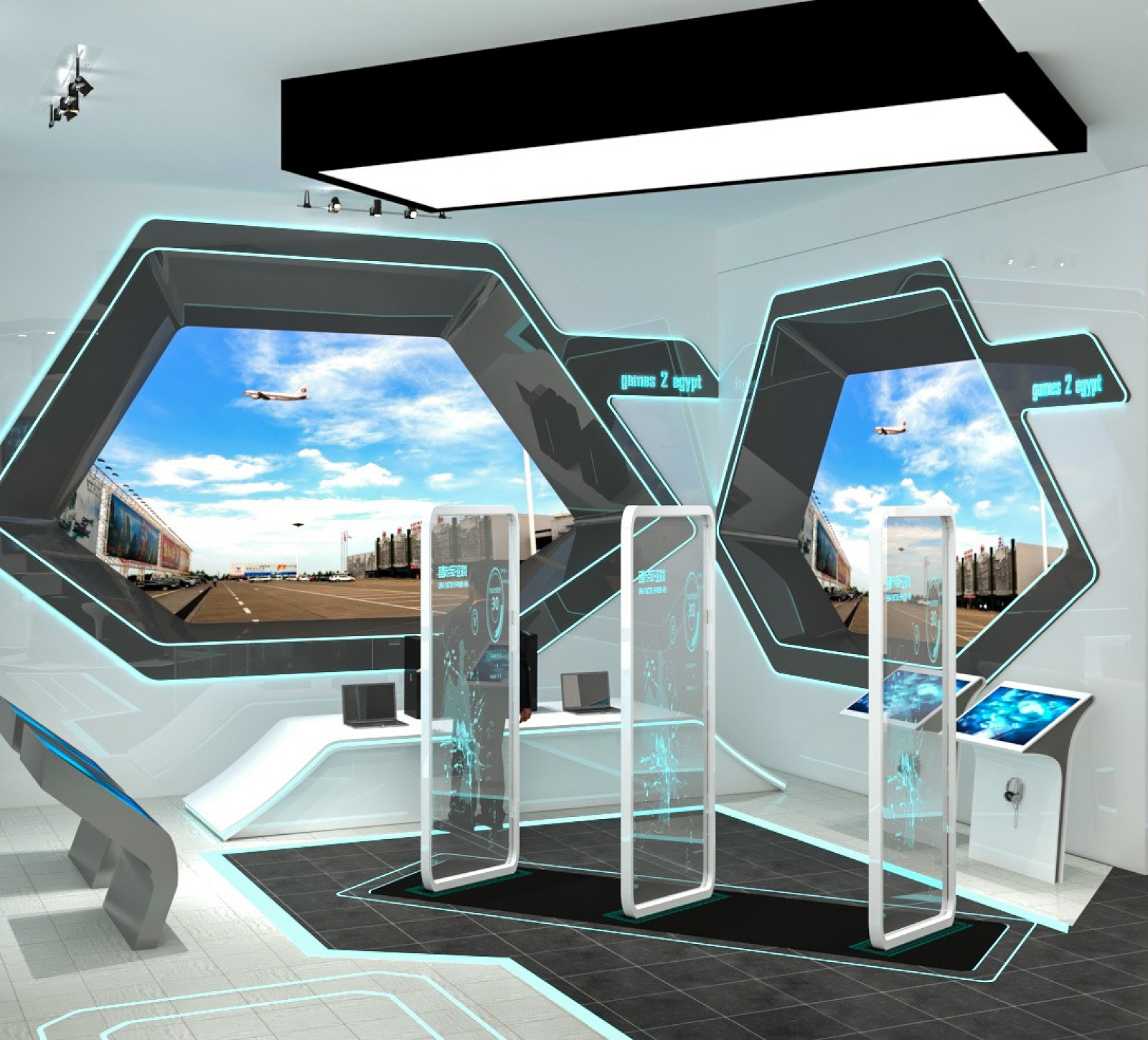
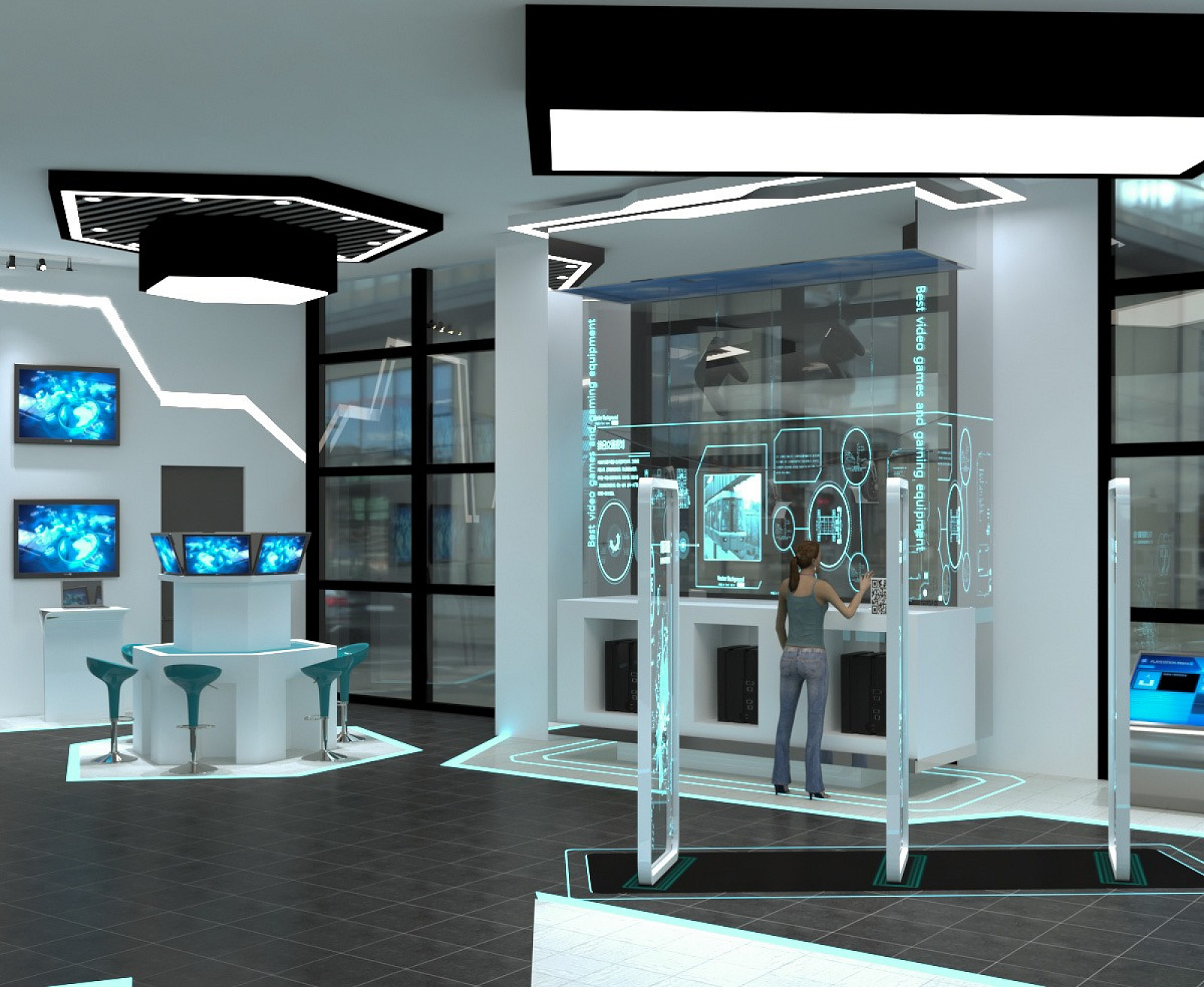
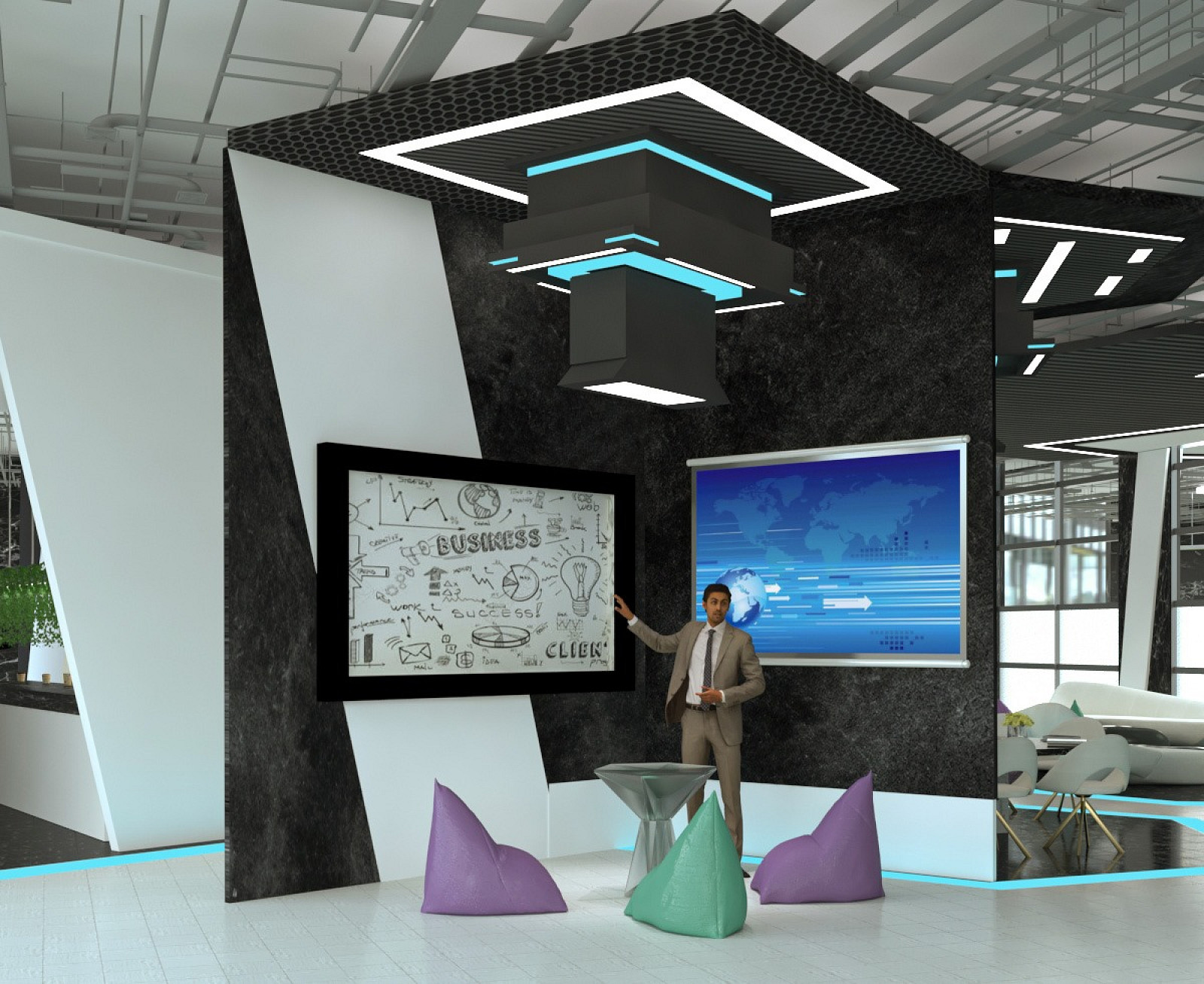
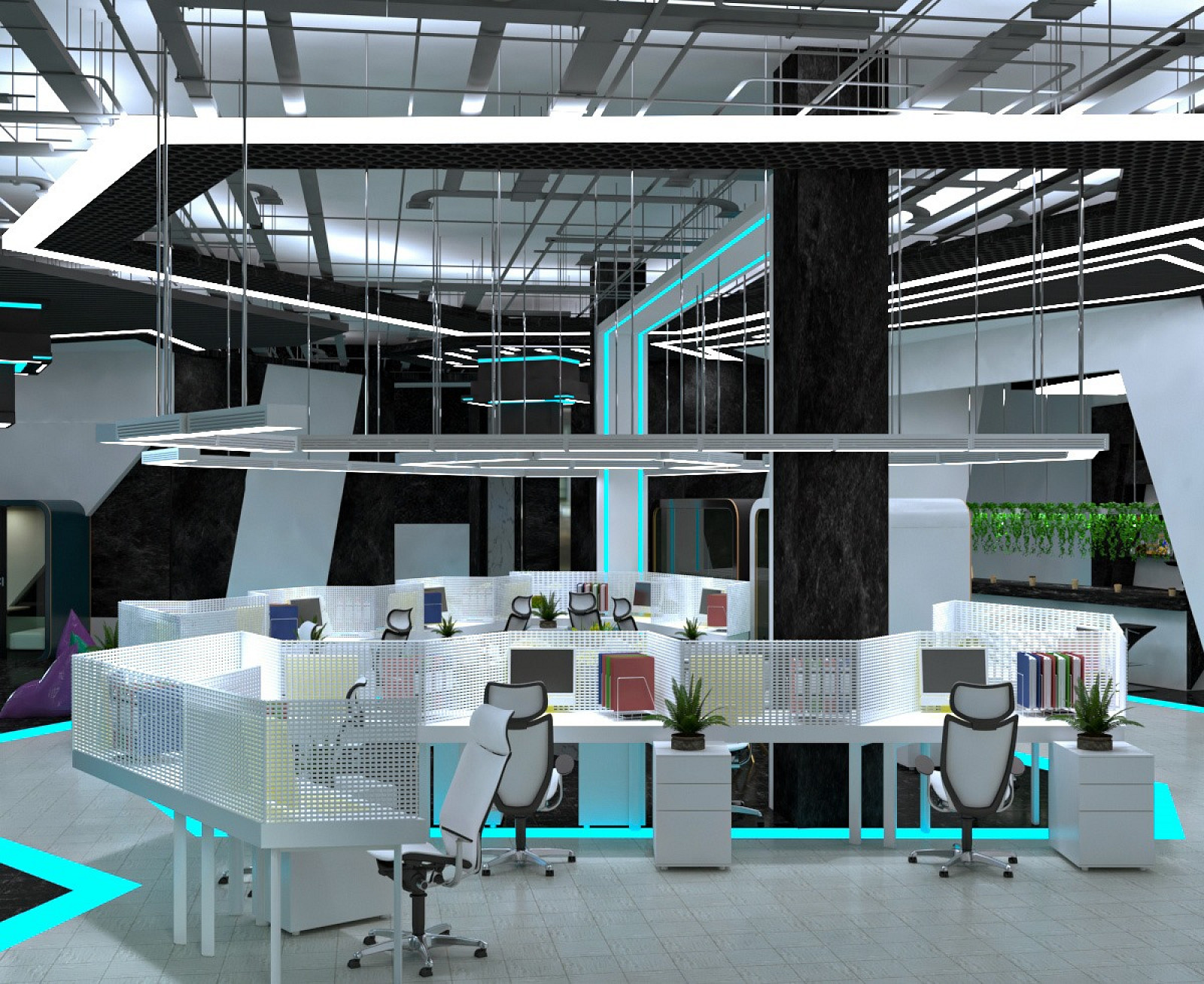
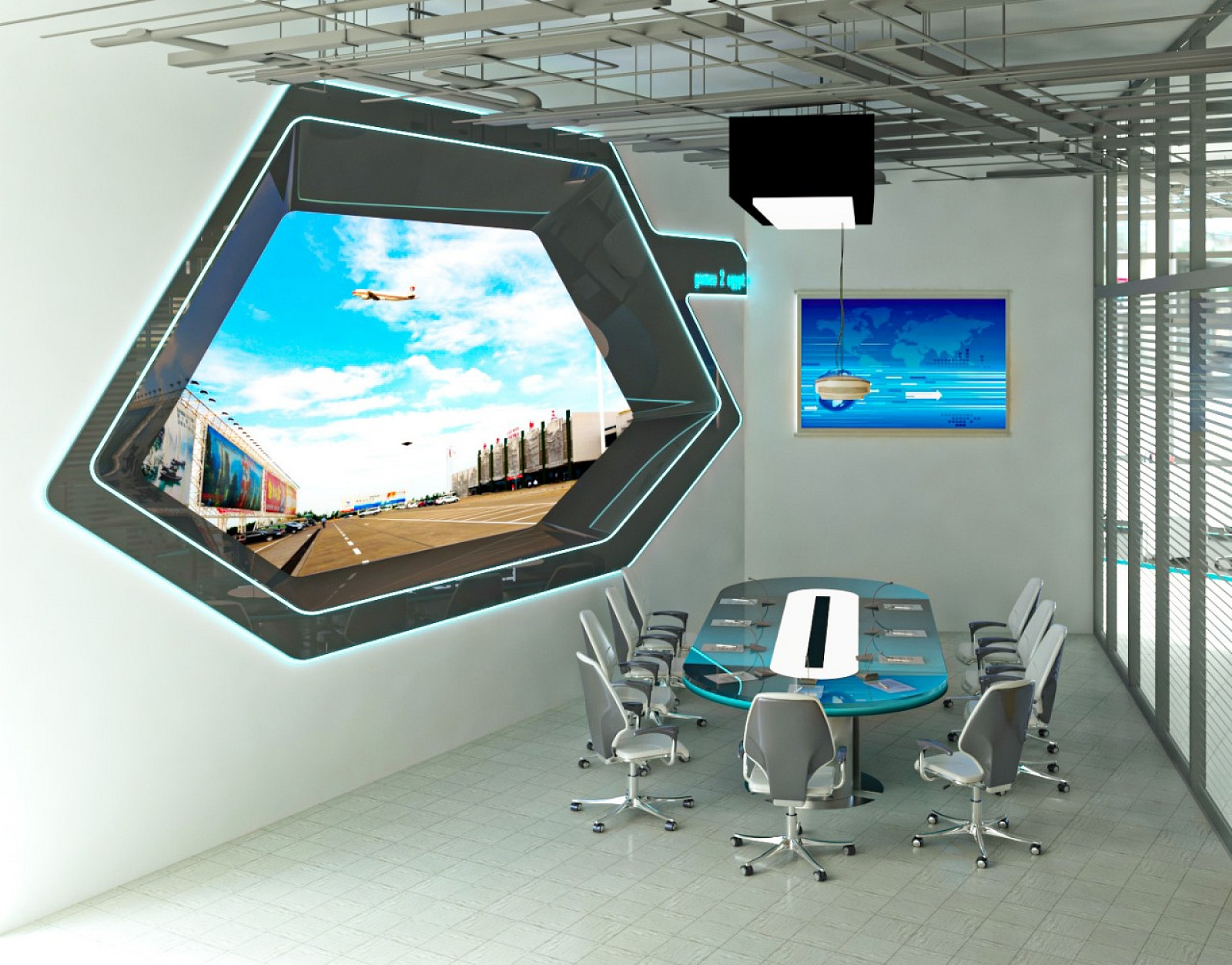
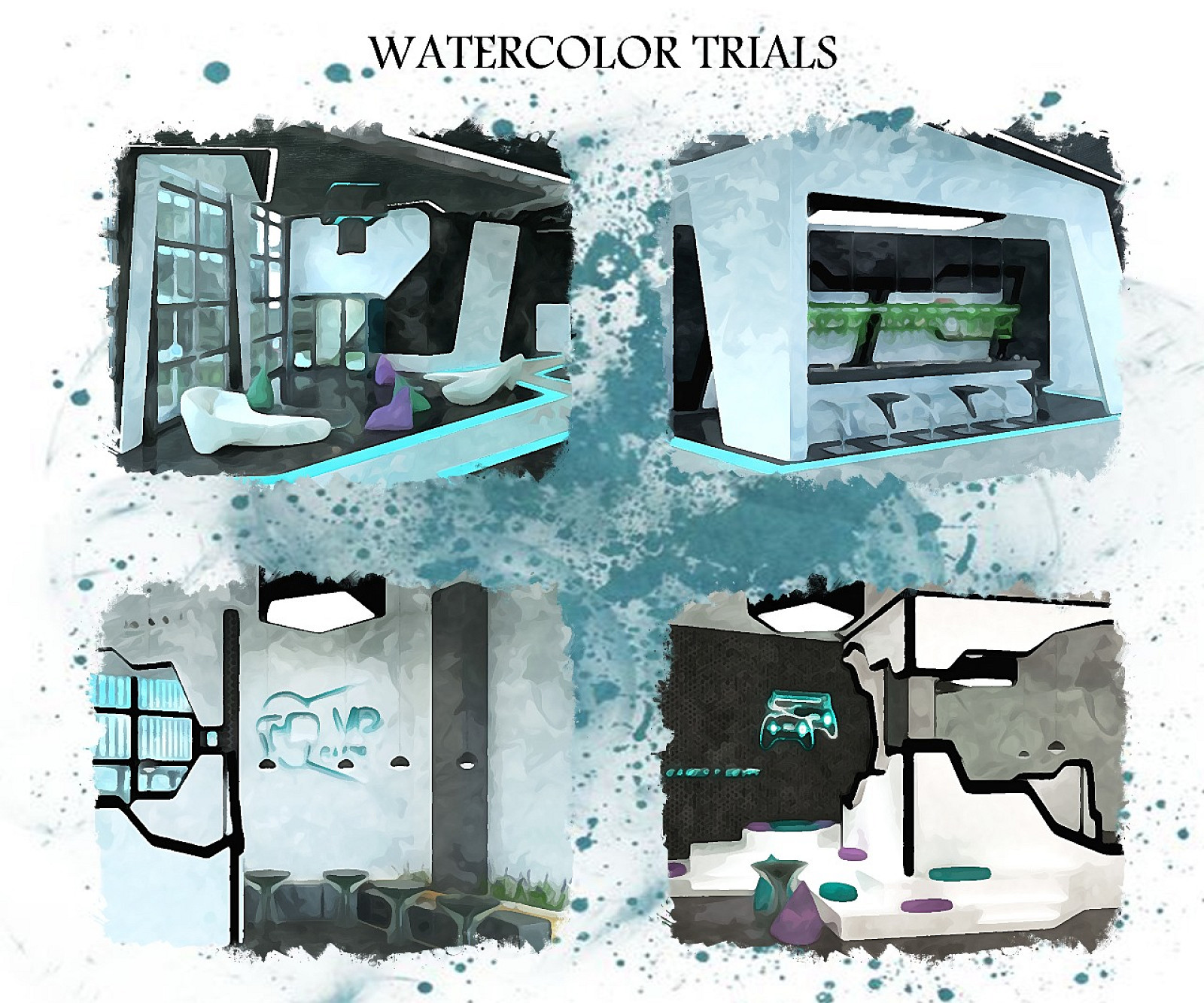
The project proposes a contemporary office with an integrated showroom, conceived as an immersive spatial experience inspired by the language of video games. Drawing from the logic of virtual worlds, the design translates digital environments into physical space through deconstructed lines, fragmented geometries, and layered visual sequences. Circulation is treated like gameplay, guiding users through a series of dynamic “levels” where workspaces and display areas continuously overlap and interact. Deconstruction lines cut through floors, walls, and ceilings, creating a sense of motion, tension, and discovery, while also expressing the hidden systems and narratives behind the brand. The result is a hybrid environment where productivity and exhibition coexist, blurring the boundary between reality and the digital realm, and transforming the office into an experiential platform rather than a static workplace.
Project description
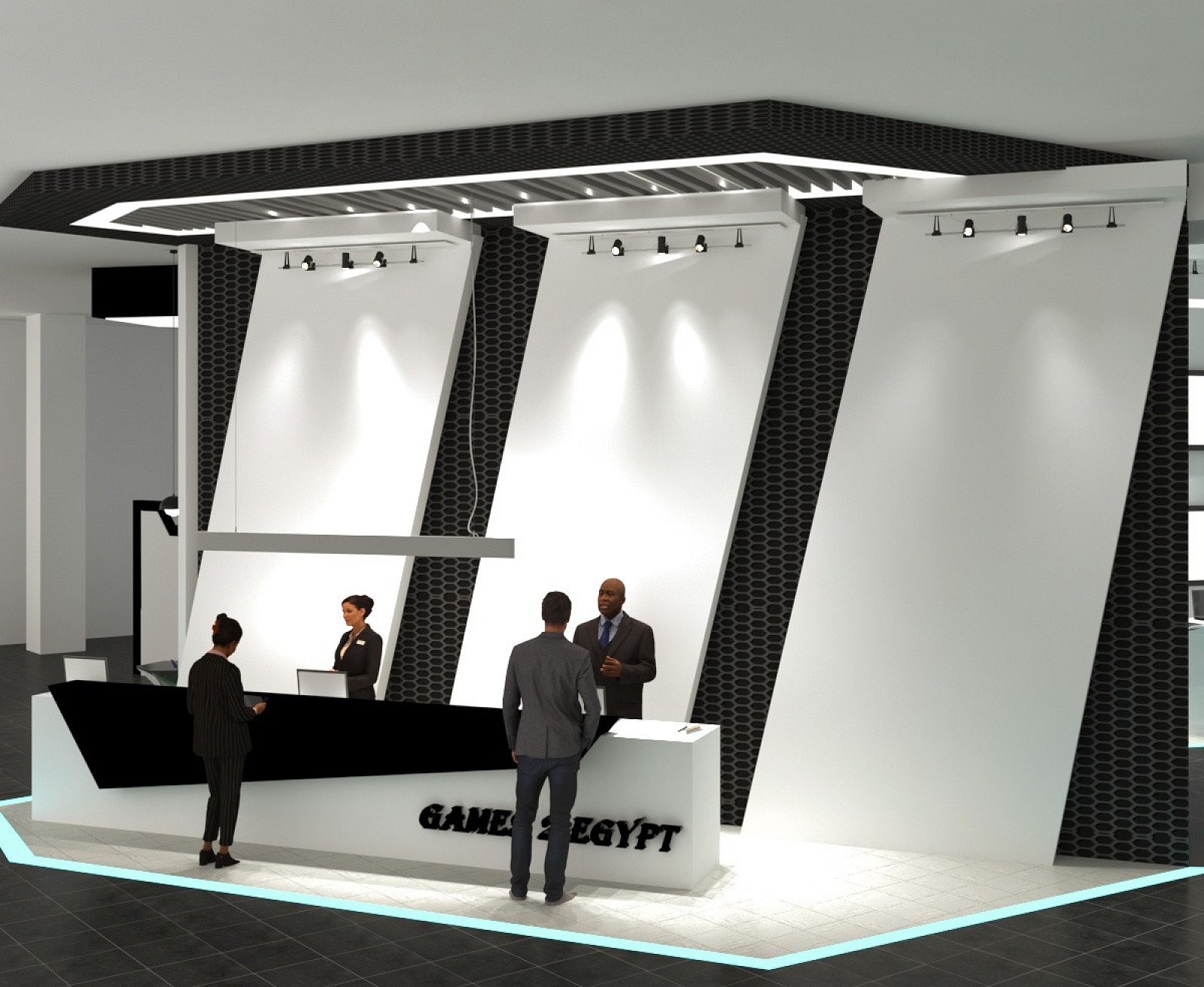
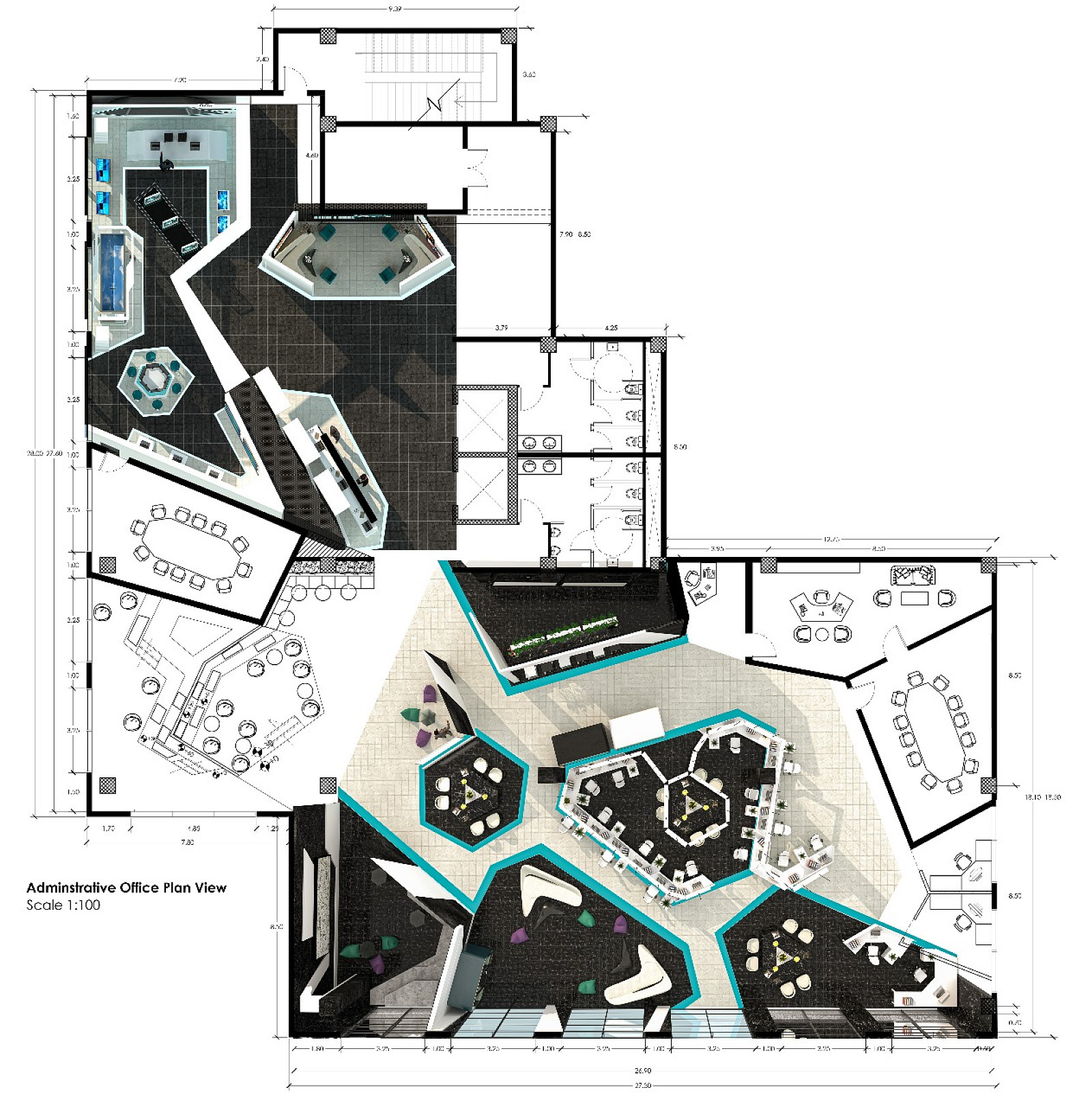
The spatial organization of the project is structured as a clear yet fluid sequence that balances public engagement with focused work environments. The reception and waiting area form the primary point of entry, immediately connecting visitors to the showroom, which acts as the most public and expressive zone of the project. Adjacent to this, the break area and bar are positioned as informal social hubs, encouraging interaction and creative exchange between staff and visitors. Moving deeper into the space, the brainstorming and meeting rooms are strategically placed as semi-private zones, supporting collaboration while remaining visually connected to the active core. The open workspace is located at the heart of the office to promote transparency, flexibility, and team interaction, while the closed workspace and manager’s room are positioned in more secluded areas to ensure privacy and concentration. This zoning strategy creates a smooth transition from public to private spaces, reinforcing functionality while maintaining a cohesive and dynamic spatial experience.
Technical information
The project is designed as a contemporary office with an integrated showroom, requiring a high level of spatial flexibility and technical coordination.
-The structural system is based on a regular grid with minimal internal columns to allow adaptable open workspaces and flexible showroom layouts. Lightweight partition systems are used in closed workspaces, meeting rooms, and the manager’s office to enable future reconfiguration. Floor-to-ceiling heights are maximized to accommodate exposed services, lighting tracks, and deconstruction lines integrated into ceilings and walls.
-Environmental control is achieved through a centralized HVAC system with zoned temperature control, allowing different thermal settings for public, semi-public, and private areas. Acoustic treatment is applied through perforated panels, acoustic ceilings, and soft flooring in brainstorming rooms, meeting rooms, and closed offices to ensure speech clarity and noise control. The open workspace and showroom use durable flooring materials with high load and wear resistance, while break areas and the bar incorporate non-slip, easy-to-maintain finishes.
-Lighting design combines general ambient lighting with accent and linear lighting integrated along deconstructed lines to guide movement and emphasize spatial hierarchy. Daylighting is maximized in workspaces through glazed partitions and controlled openings, while artificial lighting levels are adjusted according to functional requirements. Power and data systems are distributed through raised flooring and ceiling trays, ensuring efficient access and flexibility for future technological upgrades.
-Fire safety and circulation comply with international office standards, with clear escape routes, fire-rated partitions for enclosed spaces, and integrated alarm and sprinkler systems. Accessibility is ensured through barrier-free circulation, appropriate door widths, and inclusive restroom facilities. Overall, the technical design supports a flexible, efficient, and future-ready office environment while reinforcing the project’s dynamic and interactive character.


Copyright © 2026 INSPIRELI | All rights reserved. Use of this website signifies your agreement to the Terms of Use, Privacy Policy, and use of cookies.